Building a Safer and Greener Future with ACROW Board

Sustainability in construction is no longer optional

At ACROW Building Products, we believe that smarter construction choices can change that.

it is a
responsibility.

Protecting Global Forests

The traditional reliance on plywood has contributed to extensive deforestation worldwide. Millions of hectares of forests are cleared annually to supply the construction industry with wood-based panels, putting enormous pressure on ecosystems and biodiversity.

Each project that chooses ACROW Board over plywood translates into:

By replacing plywood with a durable, recyclable alternative, ACROW Board directly reduces deforestation pressures.

Fewer trees harvested

For short-lived construction panels.

Reduced deforestation rates

Allowing forests to regenerate.

Support for sustainable forestry practices,

Such as selective logging, replanting, and maintaining biodiversity.

Extending Product Life,
Reducing Waste

3–5 uses

Plywood typically lasts 3–5 uses before it splinters, swells, or loses strength.

vs.

+50 uses

ACROW Board delivers 50+ uses often far more when properly handled.

This dramatic improvement means that a single panel of ACROW Board can replace dozens of plywood sheets, cutting down on the constant need for replacements.

Every project that switches from plywood to ACROW Board prevents unnecessary waste, reduces demand for raw materials, and lowers the burden on landfills.

In simple terms: fewer boards used, fewer trees cut, less waste generated.
Safer Construction Sites
are Sustainable Sites

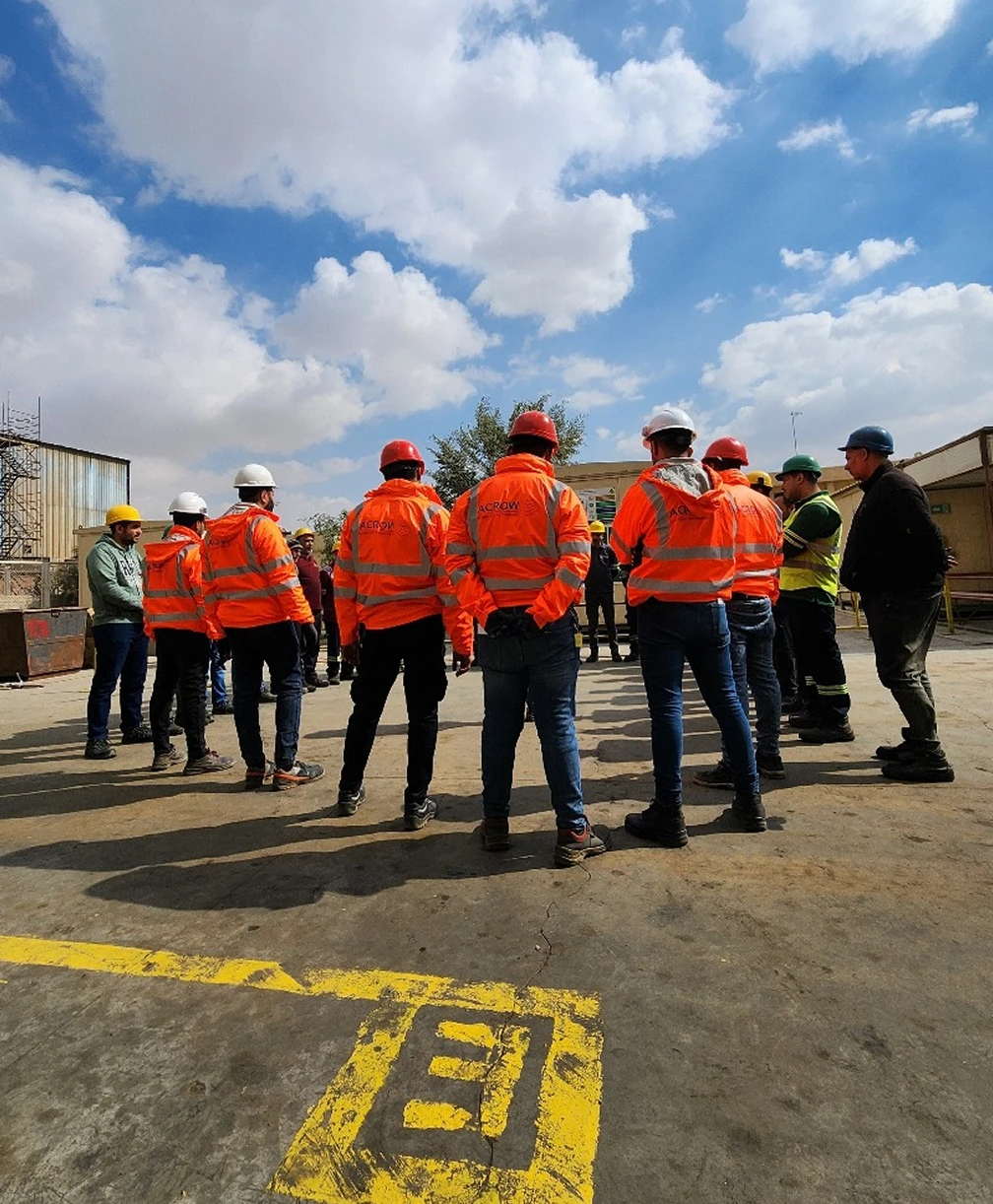
ACROW Board is designed with safety built in:

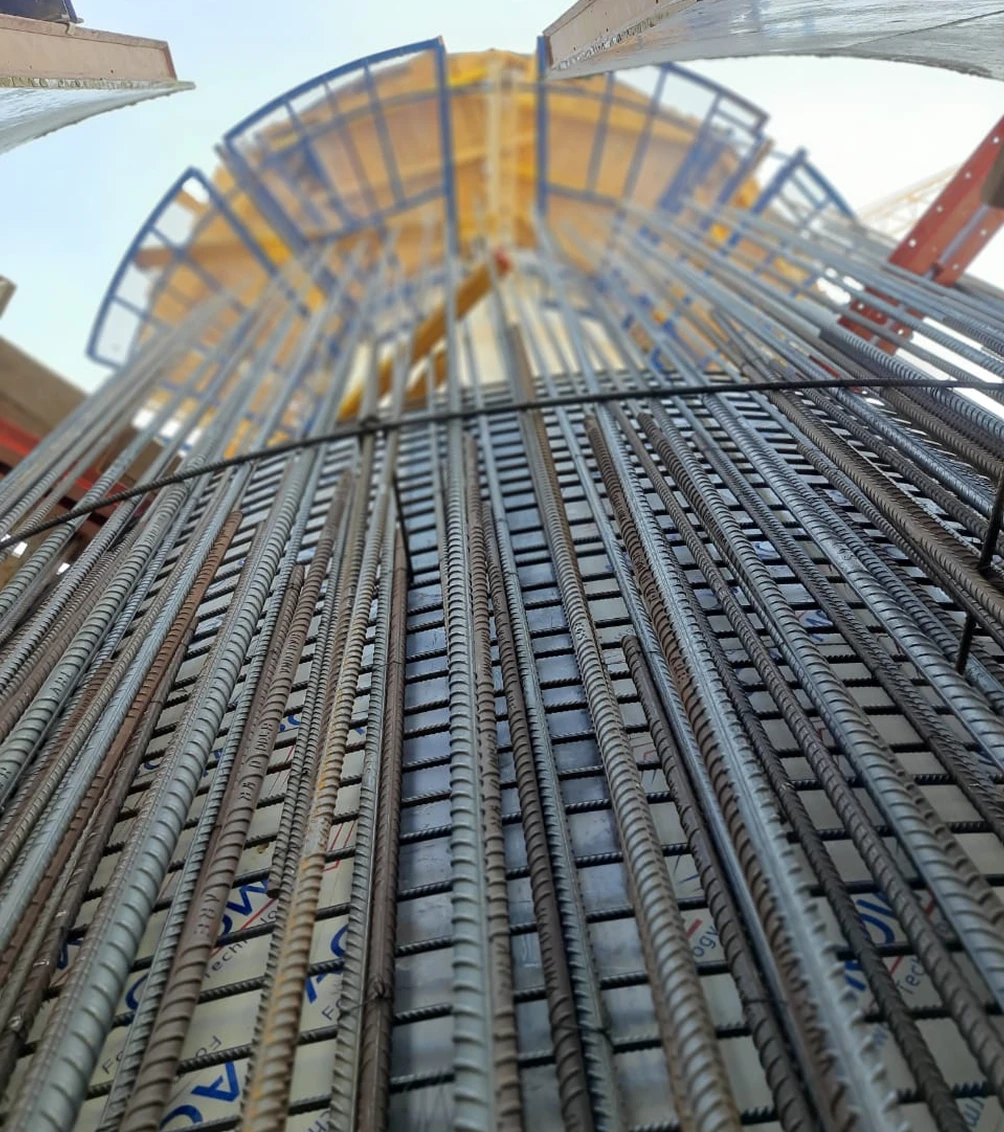
Consistent dimensions

Non-slip surface options

Resistance to splintering or breaking

Durability under water, UV, and chemical exposure,

Energy and Resource Savings

The ripple effect of ACROW Board’s performance extends far beyond the panel itself.

01.

Less cement, plaster, and finishing materials consumed.

02.

Fewer man-hours spent on rework.

03.

Reduced use of machinery and energy.

Durability = Lower Carbon Footprint

Fewer shipments

Needed for replacements, reducing transport emissions.

Lower production demand

Compared to the massive quantities of plywood consumed globally.

Reduced disposal volume

Easing the environmental burden of waste management.